All articles
Watch SCTS1 Wellness on YouTube →
Weight, hormones, peptides, sleep, skin and labs — with real numbers and sources you can verify.

Sleep and longevity: what your body repairs while you are in deep sleep
In 60,977 people measured by wrist sensor, consistent sleep timing predicted mortality better than long hours: up to 48% lower risk. What deep sleep does, and how to protect it.
Read article →
Sore throat: what your body handles on its own, and when you do need to be seen
82% of people who take no antibiotic are symptom-free within a week. What is viral, how strep is confirmed, what actually helps, and the nine signs that do not wait.
Read article →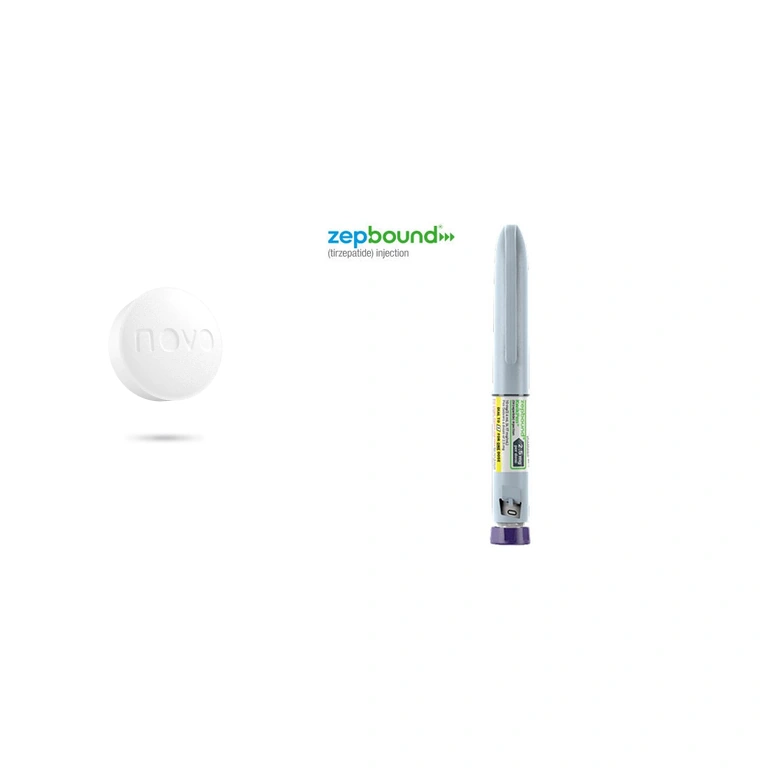
The Wegovy pill vs Zepbound: what each one is, and who decides
Ozempic and Wegovy are the same molecule; so are Mounjaro and Zepbound. The pill is semaglutide once a day, Zepbound is tirzepatide once a week — no trial has compared them head to head, and both are available through us.
Read article →
Creatine and longevity: what the trials in older adults actually show
Across 22 trials in 721 adults aged 57 to 70, creatine added to resistance training gave 1.37 kg more lean mass than placebo. The effect is real, modest, and was never tested without training.
Read article →
Grip strength and longevity: what your hands say about how you're aging
Across 139,691 people in 17 countries, every 5 kg less grip strength meant 16% higher risk of death — and it predicted better than systolic blood pressure.
Read article →
NAD+: what the science actually says
Oral precursors do raise blood NAD+ and are well tolerated. In 2026 the investigator behind the 2018 trial published the follow-up: NAD+ doubled, and cognition and blood pressure did not improve.
Read article →
Glucose spikes and aging: what your skin is already recording
A 12-second forearm reading predicted diabetes, cardiovascular disease and death in 72,880 healthy adults — independently of fasting glucose.
Read article →
Which labs should I ask for? The numbers that tell you how you're aging
Your body already keeps score. The basic panels one by one — CMP, A1c, CBC, lipids, apoB, Lp(a), CRP, kidney and liver — and what actually moves those numbers.
Read article →
Protein and muscle: your body rebuilds itself every day — and you can help
In a calorie deficit, muscle breakdown does not rise — building falls, and you can switch it back on. How much protein, how to spread it, and how much strength work.
Read article →
Peptides: what they are, what they do, and how to tell which ones to trust
Your body makes thousands of peptides, and insulin has been one since 1922. Why most are injected, the three evidence tiers, and what the FDA committee recommended in July 2026.
Read article →
Chronic inflammation and longevity: the slow fire you can actually turn down
Inflammation is your repair crew; the problem is when it never switches off. What CRP and IL-6 measure, what lowered them in real trials, and where peptides honestly fit.
Read article →
Glycine and longevity: the amino acid your body makes every day
Your body makes about 3 grams a day and food brings in as much again. Why a published calculation says that is still short, what happened in mice, and what two human trials that disagree actually found.
Read article →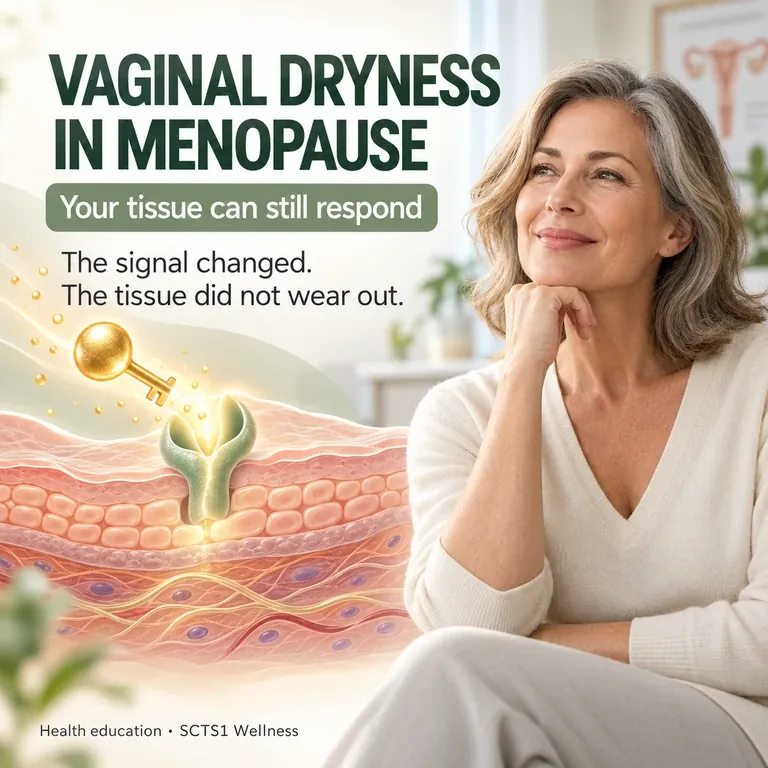
Vaginal dryness in menopause: your tissue still responds
That tissue did not wear out: it lost its signal. What 46 trials found, why it cuts recurrent urinary infections by about 58%, and what the FDA changed in November 2025.
Read article →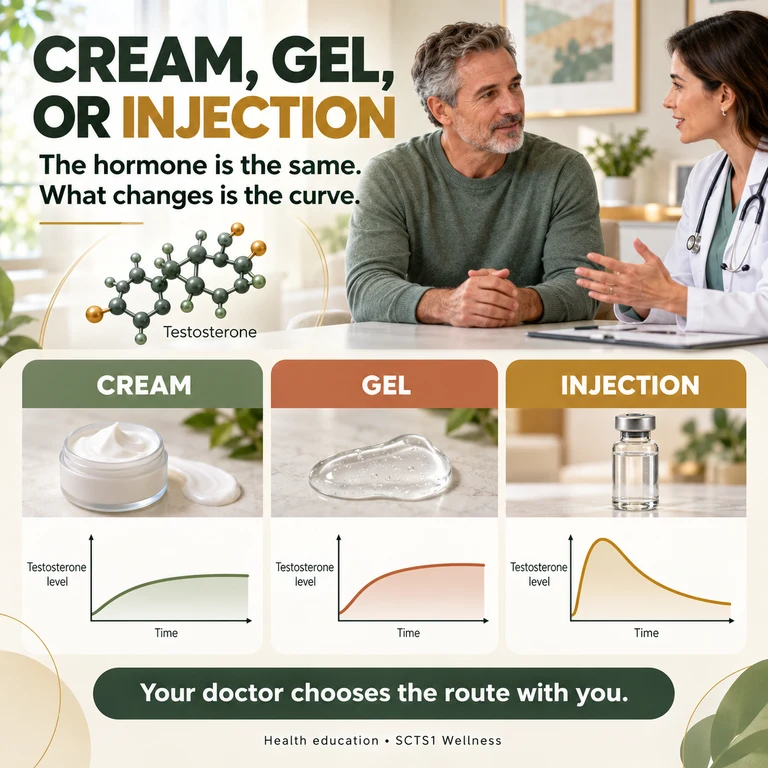
Cream, gel or injection: how the route changes testosterone therapy
Testosterone is the same molecule whichever route it takes. What changes is the curve. What 29 trials and 3,393 men measured when the routes were compared, and why the route matters even more for women.
Read article →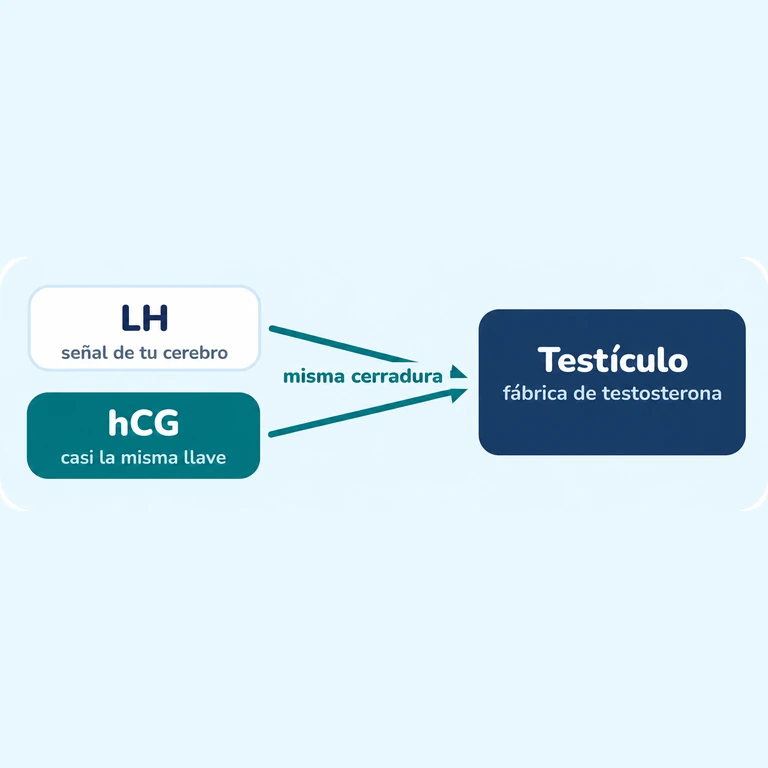
hCG in men: the signal that keeps your testicle working
Inside the testicle, testosterone sits more than eighty times more concentrated than in your blood. What keeps that factory running — and why the FDA says it does not work for weight loss.
Read article →
GLP-1 microdosing: what it actually means and what the evidence says
The lowest dose tested in a large trial was not a token dose. Why the curve isn't a straight line, and why continuing matters more than the step.
Read article →
Anastrozole and estrogen in men: why the goal is balance, not elimination
Your body makes estradiol on purpose, and it protects your bone and holds back fat. What anastrozole really achieves, what it costs, and what moved the needle more.
Read article →
Your first month on a GLP-1: what really happens, week by week
You don't need to feel sick for it to work. What happens week by week, why the dose climbs slowly, and what really decides month one.
Read article →
Low-dose naltrexone: the medicine that changes jobs
At 50 mg it blocks opioids. At 4.5 mg it talks to the immune cells of your nervous system. What the trials show, and what they do not.
Read article →
Testosterone for women: the hormone that is yours too
Your body already makes it, and through your reproductive years it circulates in larger amounts than estrogen. What 36 trials with 8,480 women show.
Read article →
VO₂ max and longevity: the number you can actually change
In 122,000 adults, low aerobic capacity carried a risk comparable to smoking. And it is one of the few factors you can actually train.
Read article →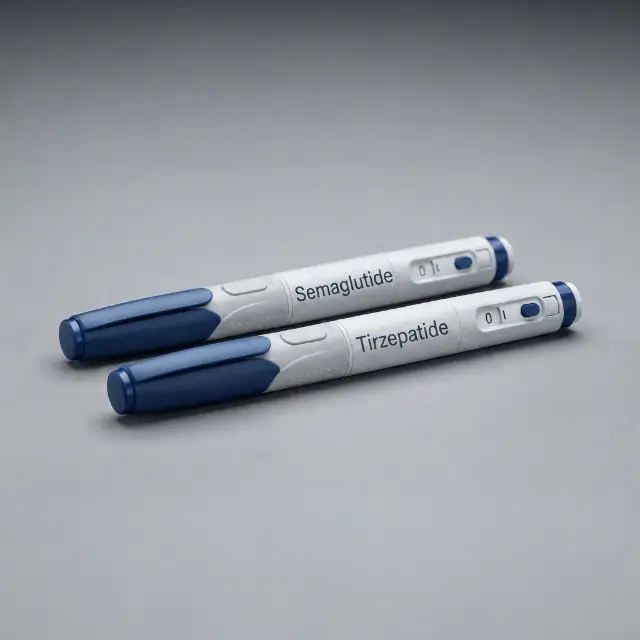
Semaglutide vs. tirzepatide: the head-to-head comparison
The first trial to compare them head to head: tirzepatide −20.2% and semaglutide −13.7% at 72 weeks — and why weight is not the only marker that matters.
Read article →
5 signs your weight might be hormonal
Where fat accumulates, the thyroid package, cycles and the patch on the neck — and what a physician measures.
Read article →
Glutathione: the antioxidant you already make
Your body makes it on its own, and when it falls it is not because the factory broke. Includes the active FDA and CDC alert on injectable glutathione.
Read article →
What longevity really means
The twelve hallmarks of aging in plain language, what has real human evidence behind it — strength, aerobic fitness, sleep, protein, social ties — and where peptides fit.
Read article →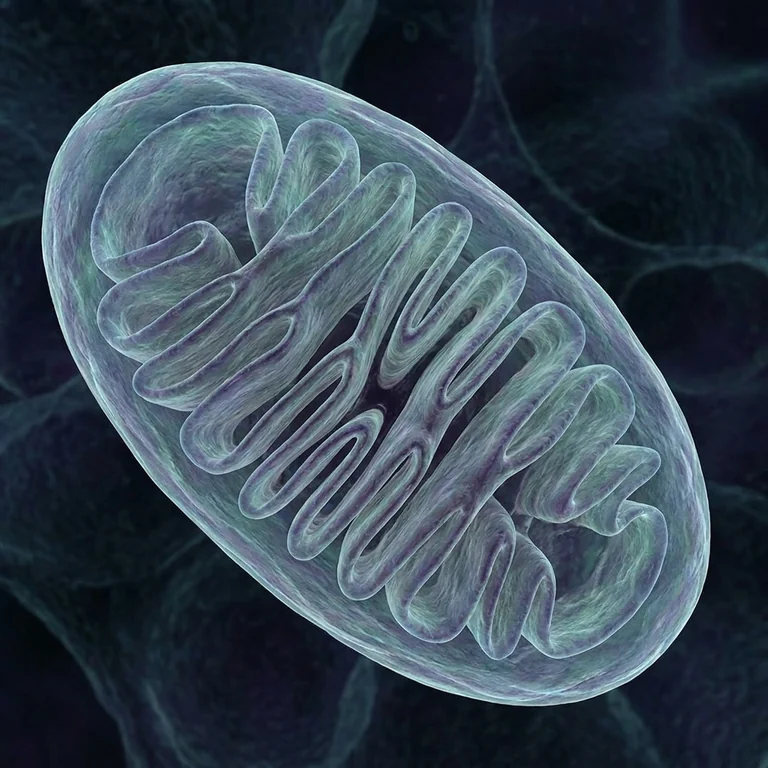
SS-31: caring for your cells' battery
The folds inside your mitochondria, the fat that holds them, and what changed when the FDA approved this molecule in 2025.
Read article →
Thymosin alpha-1: the hormone that trains your defenses
The organ that trains your immune system, the hormone it uses, and what it actually demonstrated across 125+ clinical trials.
Read article →
What is GLP-1? The hormone you already make
The hormone your gut makes when you eat, the real numbers from the trials, and what happens when you stop treatment.
Read article →
MOTS-c: the peptide your own mitochondria writes
Your mitochondria write their own hormone. What it does, what the human studies show, and how it is used properly: prescription, licensed pharmacy, clinical supervision.
Read article →
Collagen peptides: what the human studies actually show
For once, a peptide with real human evidence: over 3,800 people in randomized placebo-controlled trials. What improves, how much, and how long it takes.
Read article →
CJC-1295 and ipamorelin: what the evidence says and what the FDA says
The stack most often sold as “natural growth hormone.” What was actually studied in people, what the FDA wrote about each one, and why raising GH is not the same as improving your life.
Read article →
Selank and Semax: what the evidence says and what it doesn't
Two Russian peptides sold as calm and focus. What was actually studied, what the FDA says in its own words, and why the July 2026 vote changed nothing yet.
Read article →
Metformin for weight loss: what the trials actually show
It was never made for weight loss. In the largest trial the average loss was modest but it held for years. The real numbers, the side effects, and who it is not for.
Read article →
Enclomiphene vs. testosterone: when each one is used
One replaces testosterone, the other asks your body to make it. What the phase III trials showed about sperm count, and what the FDA decided.
Read article →
Low testosterone: real symptoms, lab testing and treatment
The three symptoms that actually count, how to test properly (morning, fasting, twice) and what number is genuinely low: 264 ng/dL.
Read article →
PT-141 and sexual desire: what the evidence says
Two phase 3 trials, 1,267 women, a real but modest effect (0.35 points) and 4 in 10 with nausea. The numbers, without the hype — and who it is not for.
Read article →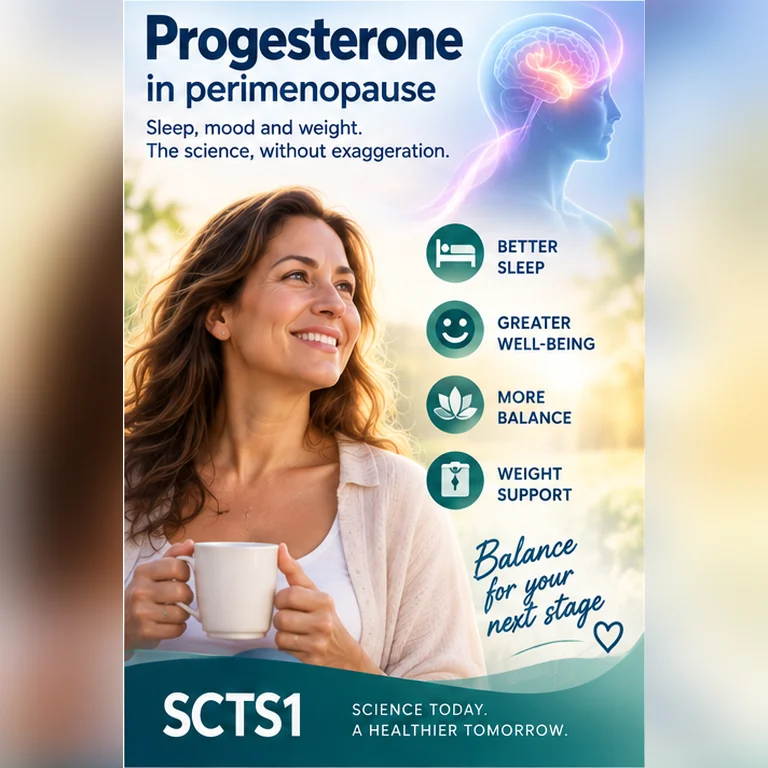
Progesterone in perimenopause: sleep, mood and weight
A phase III trial of 189 women missed its primary endpoint (p = 0.222) — and the women still reported sleeping better (p = 0.005). The real numbers on sleep, mood and weight.
Read article →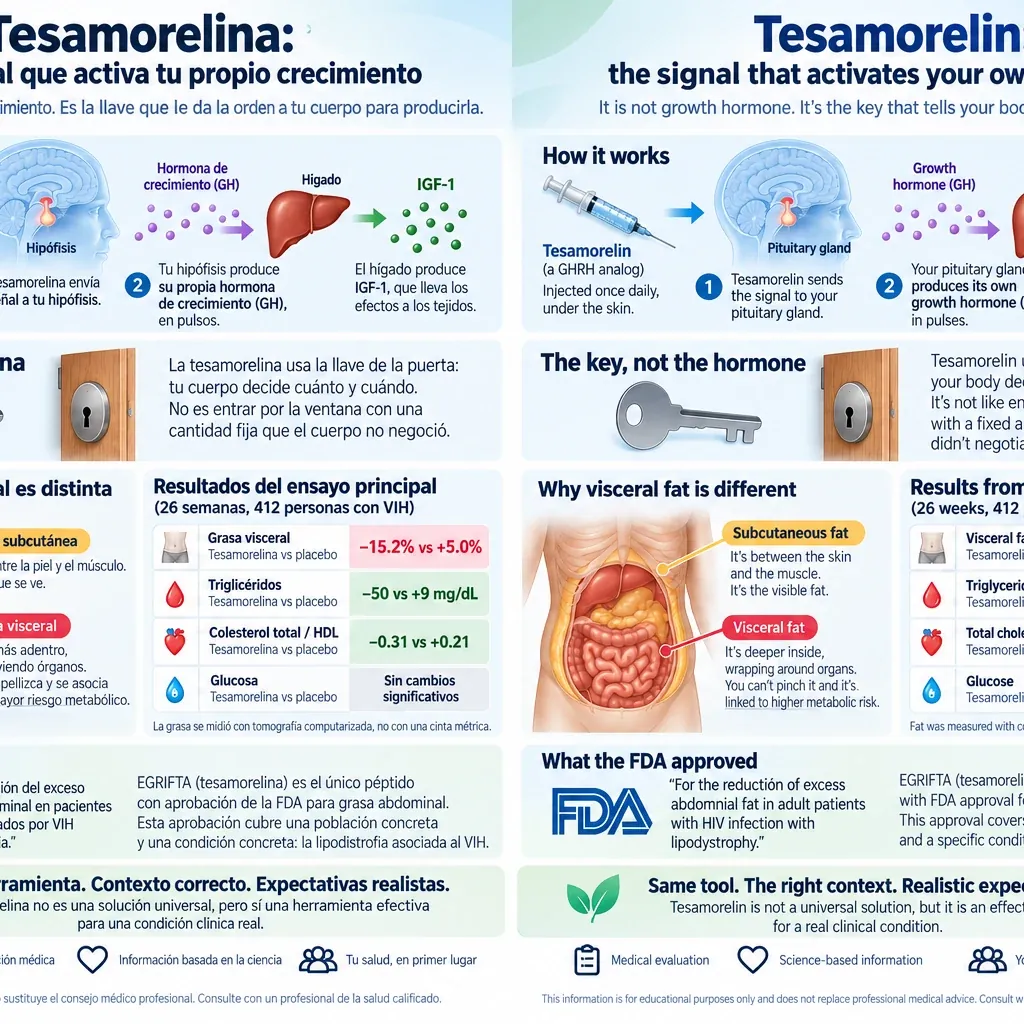
Tesamorelin: visceral fat, evidence, and FDA context
How tesamorelin works, what the trials show about visceral fat, and why its FDA-approved indication is not for weight-loss management.
Read article →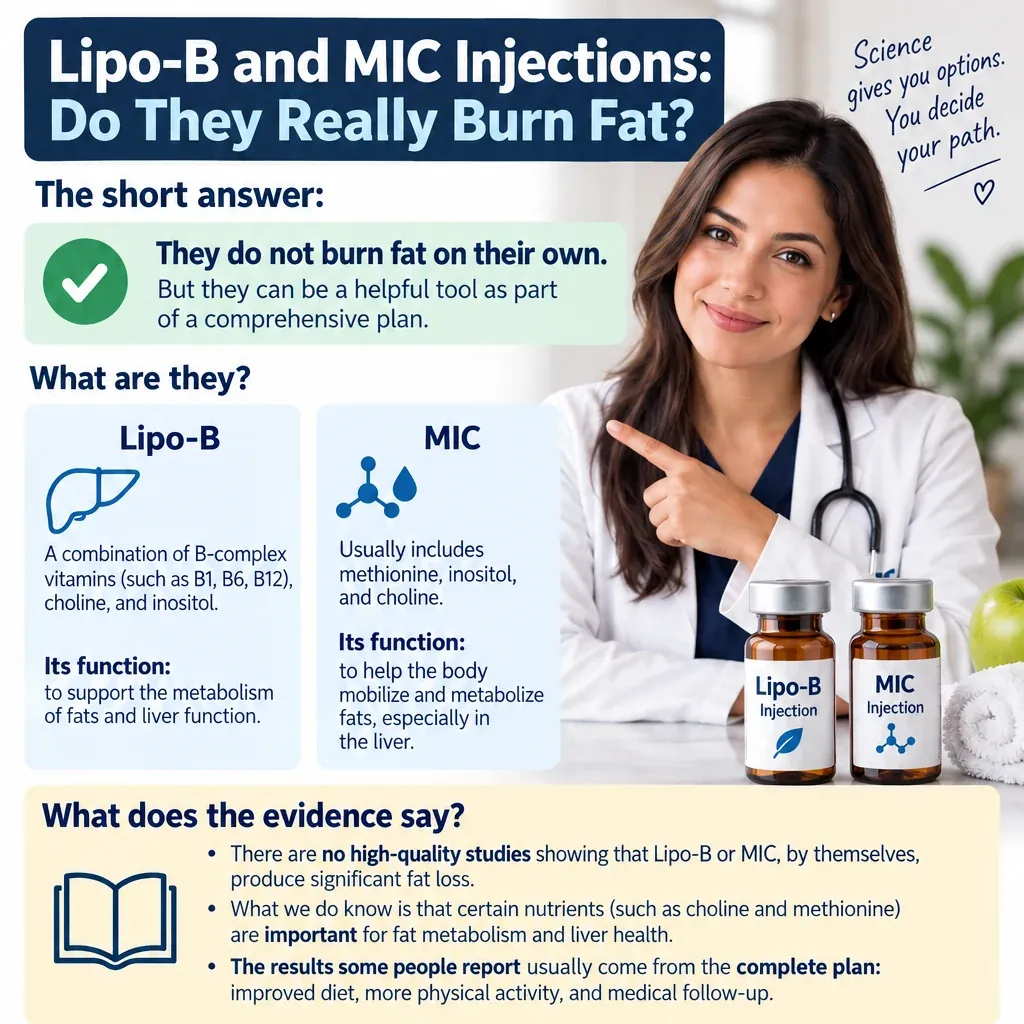
Lipo-B and MIC injections: do they actually burn fat?
What is in these injections, what the clinical-trial search found, and why losing weight inside a package does not prove the injection caused it.
Read article →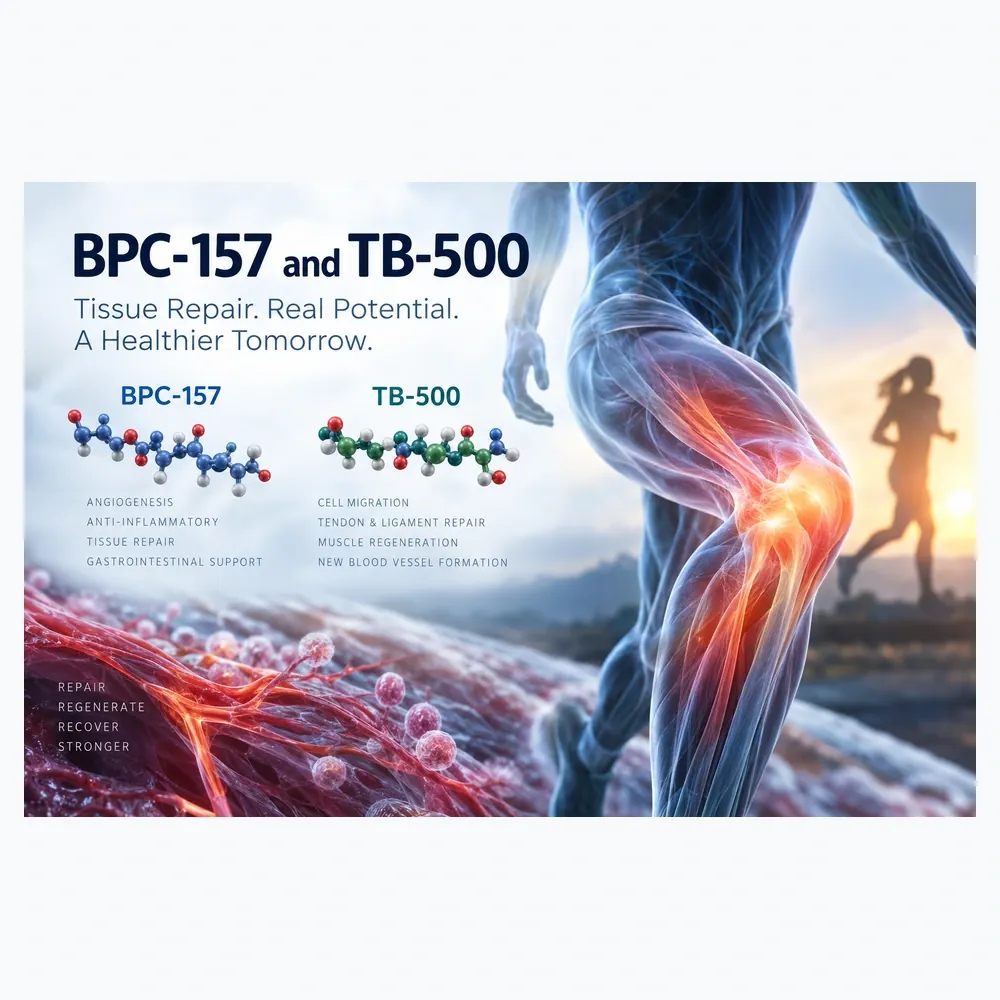
BPC-157 and TB-500: what does the evidence say, and what does the FDA say?
Evidence summary.
Read article →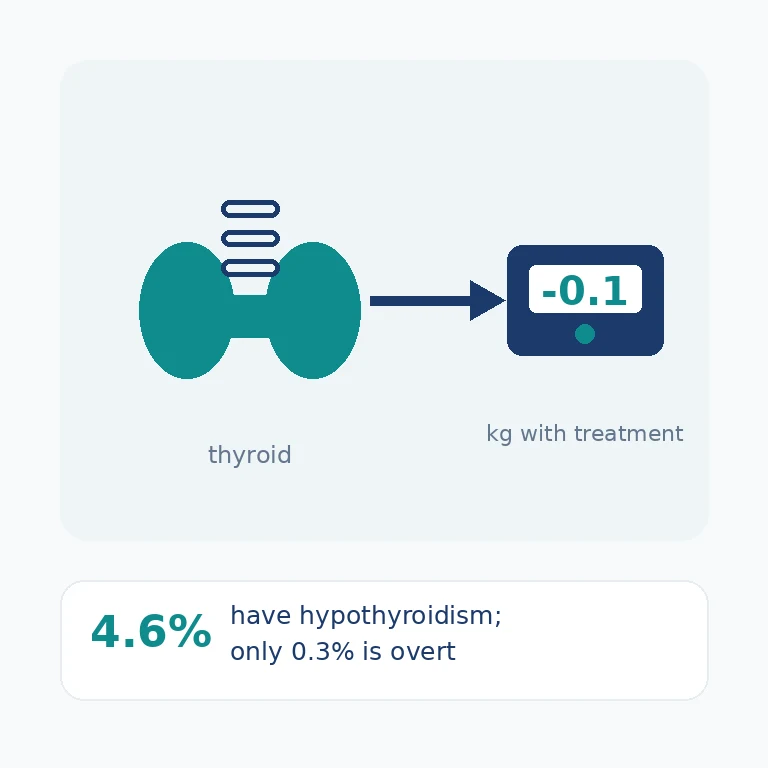
Thyroid and weight: is it my thyroid?
How much weight the thyroid really explains: treating hypothyroidism changed weight by a median −0.1 kg, mild cases aren't treated for weight, and obesity raises TSH.
Read article →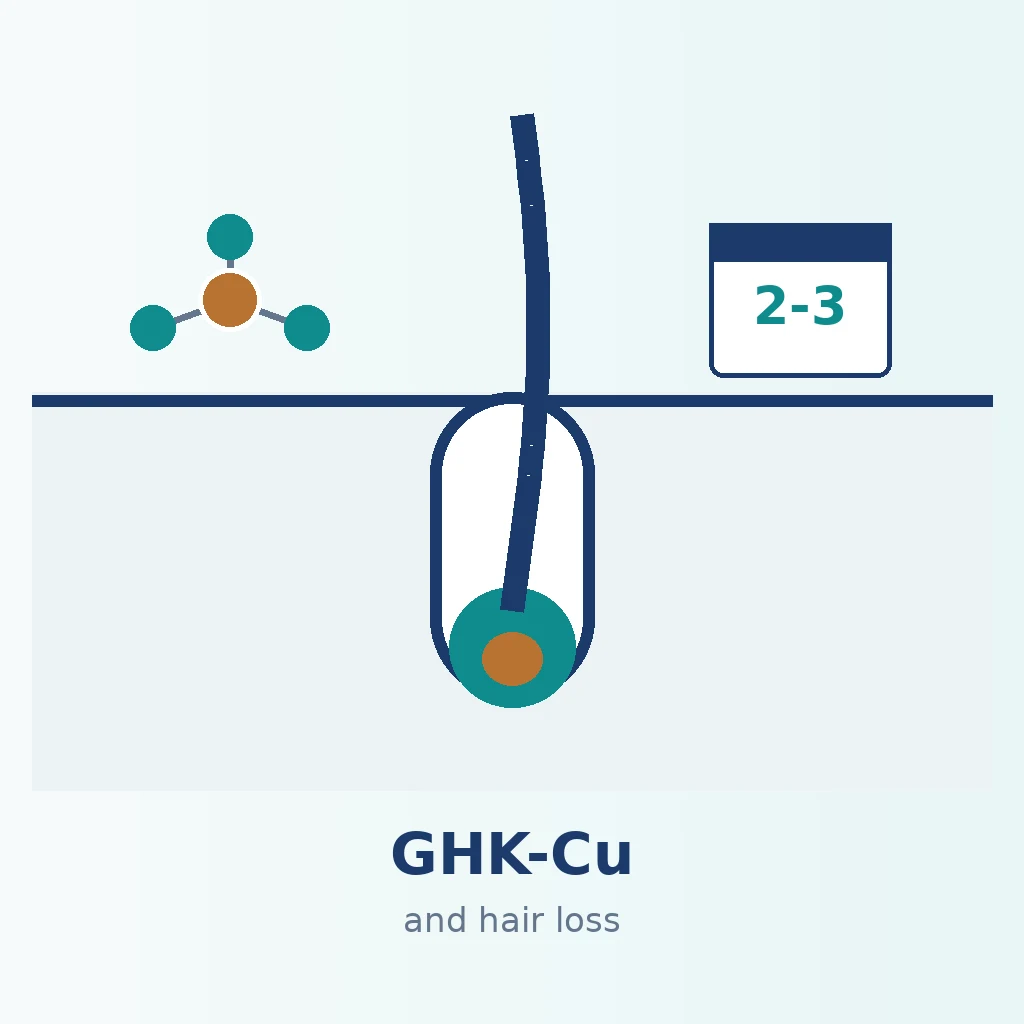
GHK-Cu and hair loss
What the copper peptide studies show for hair, why hair sheds with rapid weight loss (5% vs 0.9% in SURMOUNT-1), and what actually has evidence.
Read article →
Fiber and GLP-1
Your gut makes its own GLP-1, and fiber is part of the recipe. How much you need (25-29 g), why almost nobody gets there, and how it helps constipation.
Read article →
Food noise and GLP-1
A 417-adult study found a -4.05 point drop in "food noise" with a GLP-1 versus -1.15 without it. What the evidence really says.
Read article →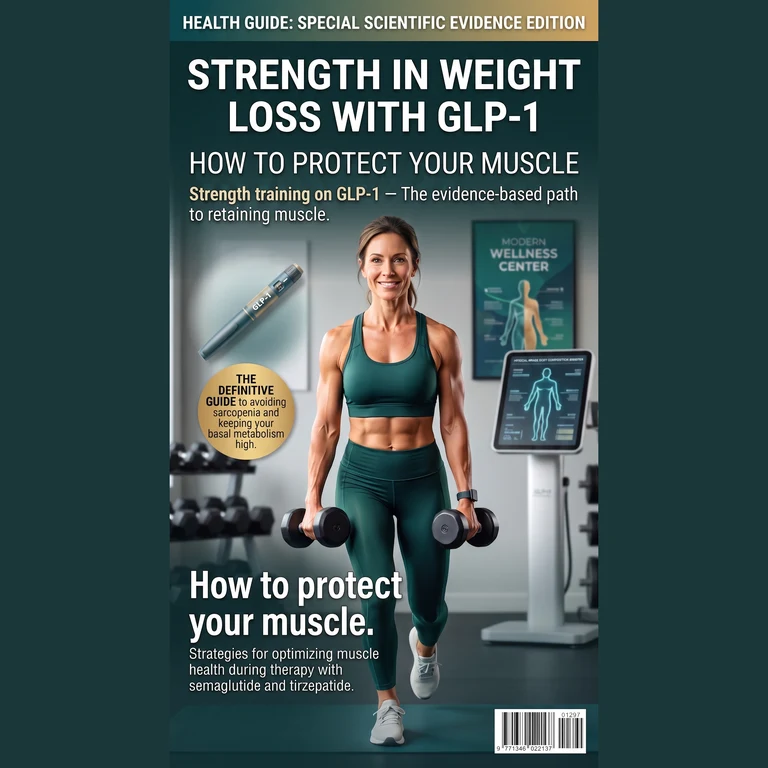
Strength training on GLP-1
Up to 45% of weight lost on semaglutide can be muscle — what the evidence says about protecting your lean mass.
Read article →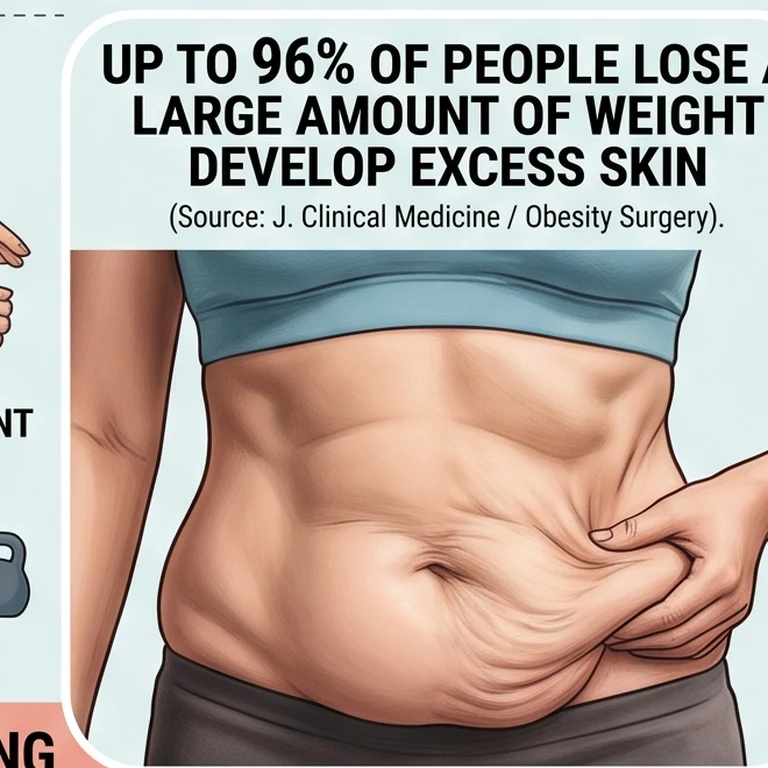
Loose skin after weight loss
96% develop excess skin after major weight loss — what the evidence says about collagen, GHK-Cu, muscle and surgery.
Read article →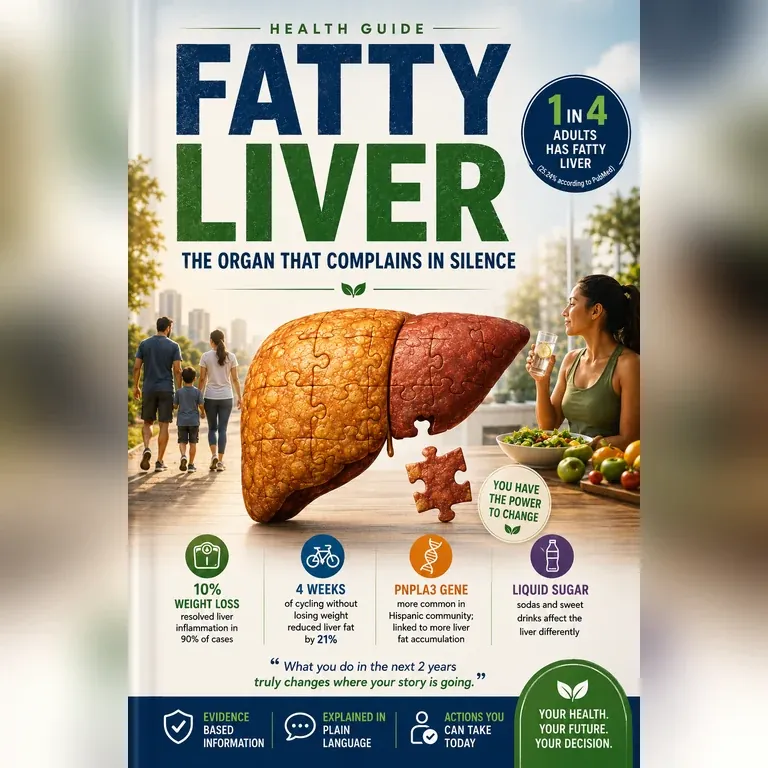
Fatty liver
One in four adults has it and it almost never causes symptoms — why it runs harder in some families, and what changed when 293 people were biopsied again.
Read article →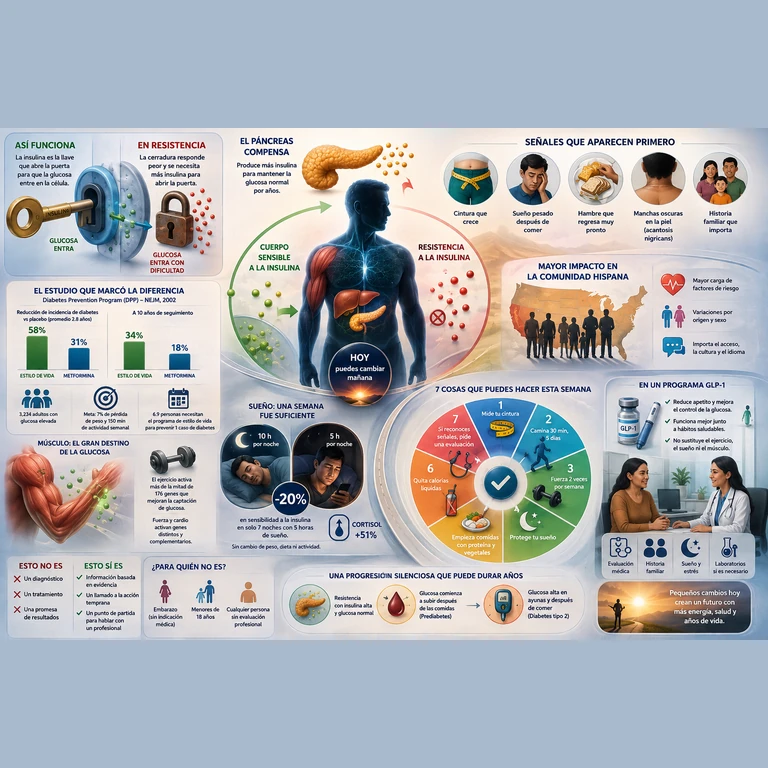
Insulin resistance
Insulin resistance starts years before diagnosis and gives almost no symptoms. What it is, which signs appear first, and what the trial that cut…
Read article →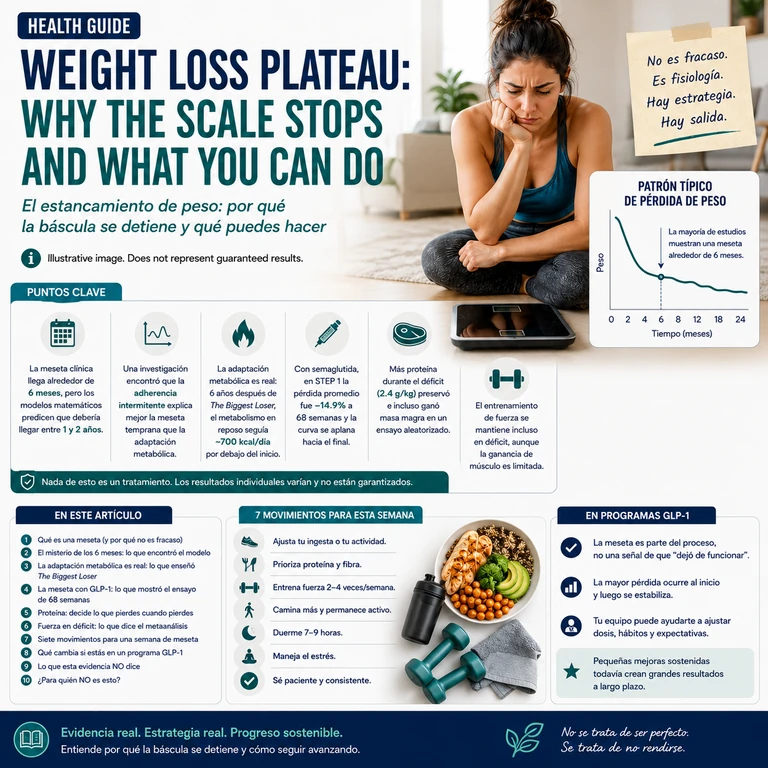
Weight-loss plateaus
The scale stopped even though you changed nothing. What the mathematical model of the 6-month plateau found, what happened to the metabolisms of…
Read article →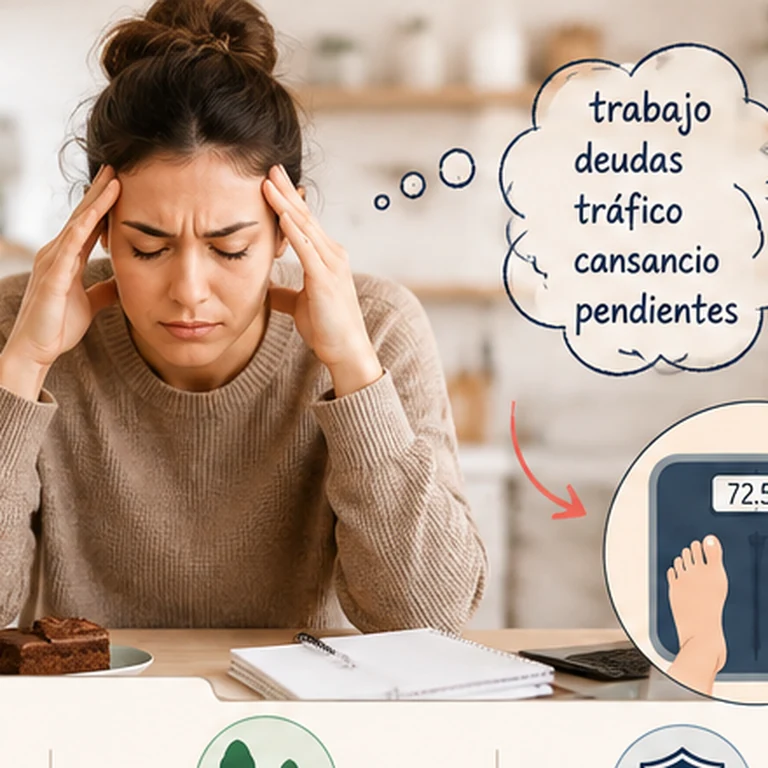
Stress, cortisol and weight
Stress isn't just a mood: it's a chemical signal. What the study that followed 339 people for six months found, why belly fat and cortisol feed…
Read article →
Nighttime sugar cravings
The nine o'clock craving isn't a discipline problem. How much sugar is too much according to 73 meta-analyses, why cravings have a schedule, and…
Read article →
Sleep and weight loss
Sleeping under 6.5 hours changes your hunger, the fat you lose and the muscle you keep. The studies, the real numbers, and what to do this week.
Read article →
Men's hormonal health
Total vs free testosterone, what a full panel measures, what the TRAVERSE trial actually found, and when the honest answer is that hormones aren't…
Read article →
Every program we offer, explained in plain language
Weight, hormones, peptides, sexual health, longevity, skin, and labs — what each program is for, what the evidence says, and who it isn't for.
Read article →
What happens when you stop a GLP-1
One year after stopping semaglutide, participants regained two-thirds of the weight they lost. The full numbers from STEP 1 and SURMOUNT-4, and…
Read article →
GLP-1 side effects
Nausea, diarrhea, constipation: how common they actually were in STEP 1 and SURMOUNT-1, how long they last, what helps, and the signs you should…
Read article →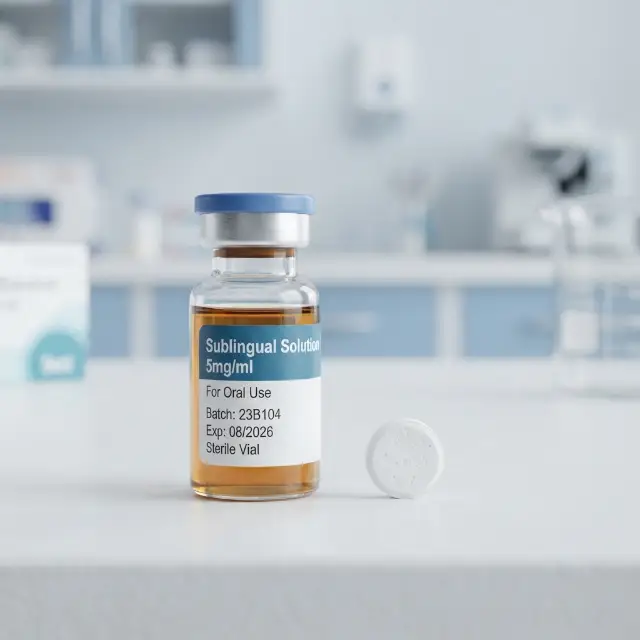
Sublingual vs. injectable GLP-1
The trials behind GLP-1s used subcutaneous injection. The only approved oral version is a tablet you swallow. What that means for sublingual…
Read article →
Losing weight after 40
Why the rules change with age, and how supervised care adapts to your body.
Read article →
Telemedicine for weight loss
How a licensed provider can evaluate and guide you from home.
Read article →
Why diets don't work
What the science says about restriction, metabolism, and why willpower isn't the problem.
Read article →Also available in Spanish: Guía de Salud.
Your trust is worth more than a sale.
This content is informational and is not medical advice. SCTS1 does not prescribe medications. All medical care, prescriptions and treatment plans are provided by licensed physicians through our partner platform. Eligibility is determined by medical evaluation. Individual results vary and are not guaranteed.